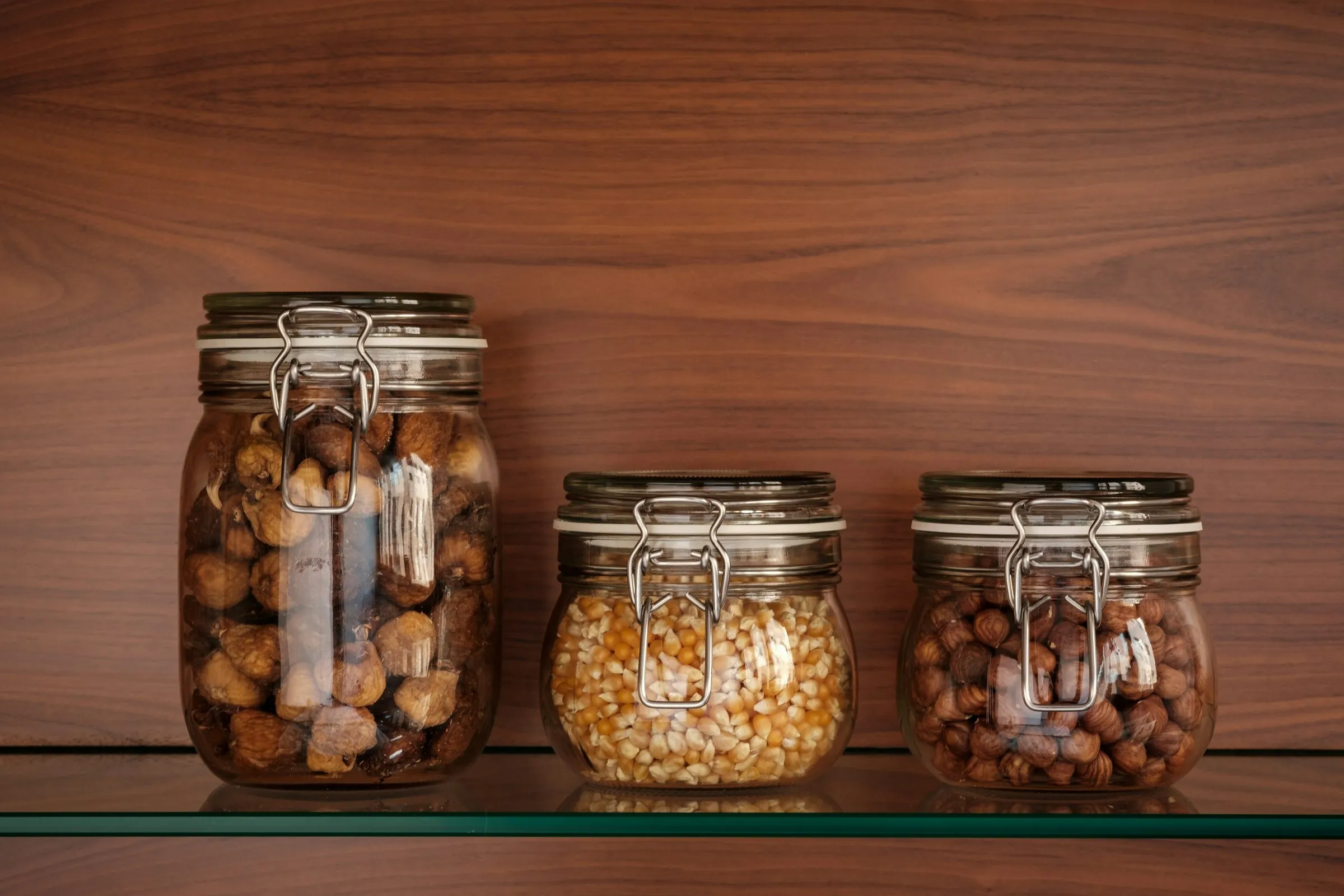
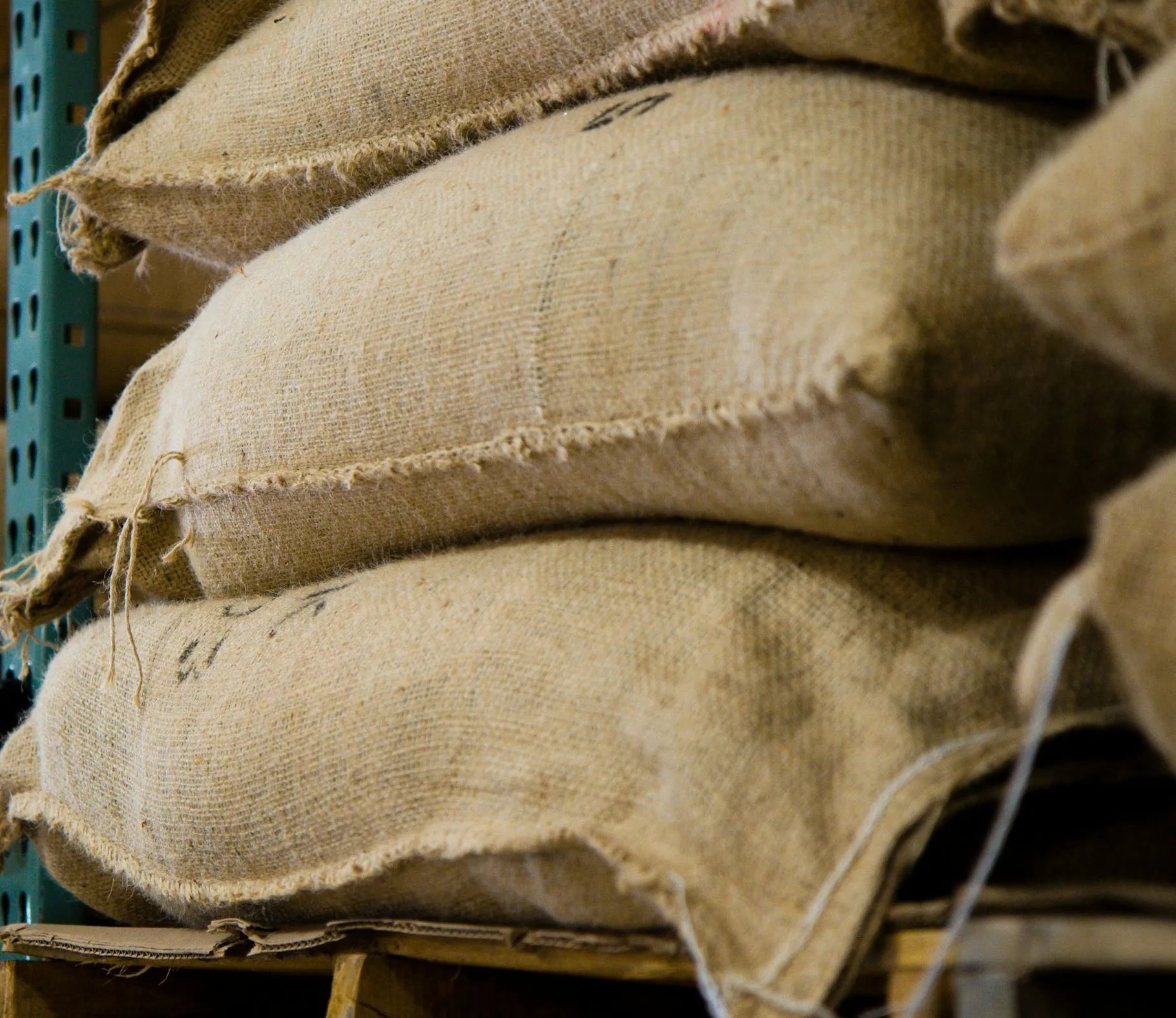
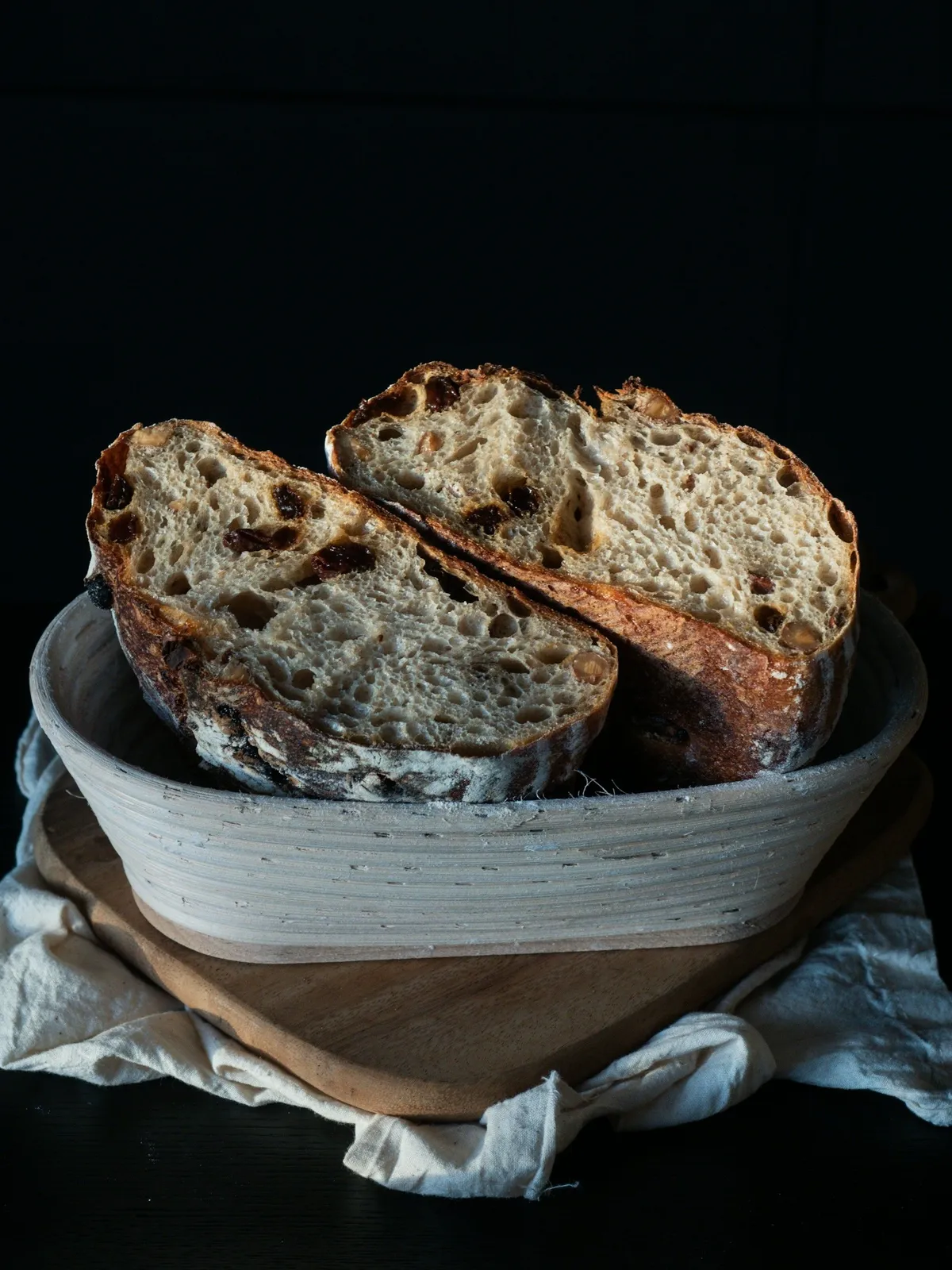
Nuts are rich in fat, and fat is both what gives them their flavour and what makes them spoil. A rancid hazelnut or walnut need not look any different from a fresh one, but a single such piece in a cream or dough is enough to give a whole batch a smell of stale oil. The good news is that most spoilage can be prevented with a few simple storage rules.
Below we explain what causes rancidity, which conditions extend shelf life, and how raw, roasted and chopped nuts and nut pastes differ in how sensitive they are.
Rancidity develops in two main ways. Oxidative rancidity results from unsaturated fatty acids reacting with oxygen in the air; it is accelerated by heat, light and traces of metal. Hydrolytic rancidity occurs when, in the presence of moisture and enzymes, fats break down into free fatty acids, which give a sharp, soapy taste.
Nuts differ in how sensitive they are. Hazelnut and almond oil is predominantly monounsaturated and relatively stable, whereas walnuts have a high proportion of polyunsaturated fatty acids and go rancid considerably faster. That is why walnut kernels need to be stored more carefully and used more quickly than hazelnuts.
- Temperature. The warmer it is, the faster oxidation proceeds. For longer storage of kernels, a cool room is recommended in practice, roughly below 10 °C. Room temperature is acceptable for a short period but not for a stock lasting several months, and a spot next to the oven or in the sun never is.
- Moisture. Nuts absorb moisture from the air. The consequences are loss of crunch, faster hydrolytic rancidity and, at worst, mould. Relative humidity in the store should be low, in practice roughly below 65%, and sacks should not stand directly on the floor or against an outside wall.
- Light. Light, especially sunlight, accelerates oxidation. Opaque packaging and a dark store are simple protection.
- Oxygen. The less air in the pack, the slower the oxidation. That is why vacuum packs or modified-atmosphere packs are used for longer shelf life, and an opened sack must be closed tightly.
Moisture deserves particular attention, because mould on nuts is not just a cosmetic problem. Some moulds produce mycotoxins, such as aflatoxins, for which maximum levels in nuts are laid down in EU law. Nuts showing any trace of mould are therefore not used even after picking over, and goods that got damp in transit should not go into the store until they have been checked.
Fat readily absorbs odours, so nuts take on the aroma of whatever is stored next to them. Hazelnuts kept beside spices, onions, coffee, cleaning agents or fuel may smell of them after a few weeks, and roasting does not get rid of that smell. In a bakery where ingredients for savoury and sweet products are kept in the same room, this is a common and hard-to-spot cause of complaints.
The solution is simple: keep nuts in closed packaging, away from strongly scented ingredients and chemicals, and do not put them next to meat, cheese or ready meals in the cold store.
The same nut does not keep equally well in different forms:
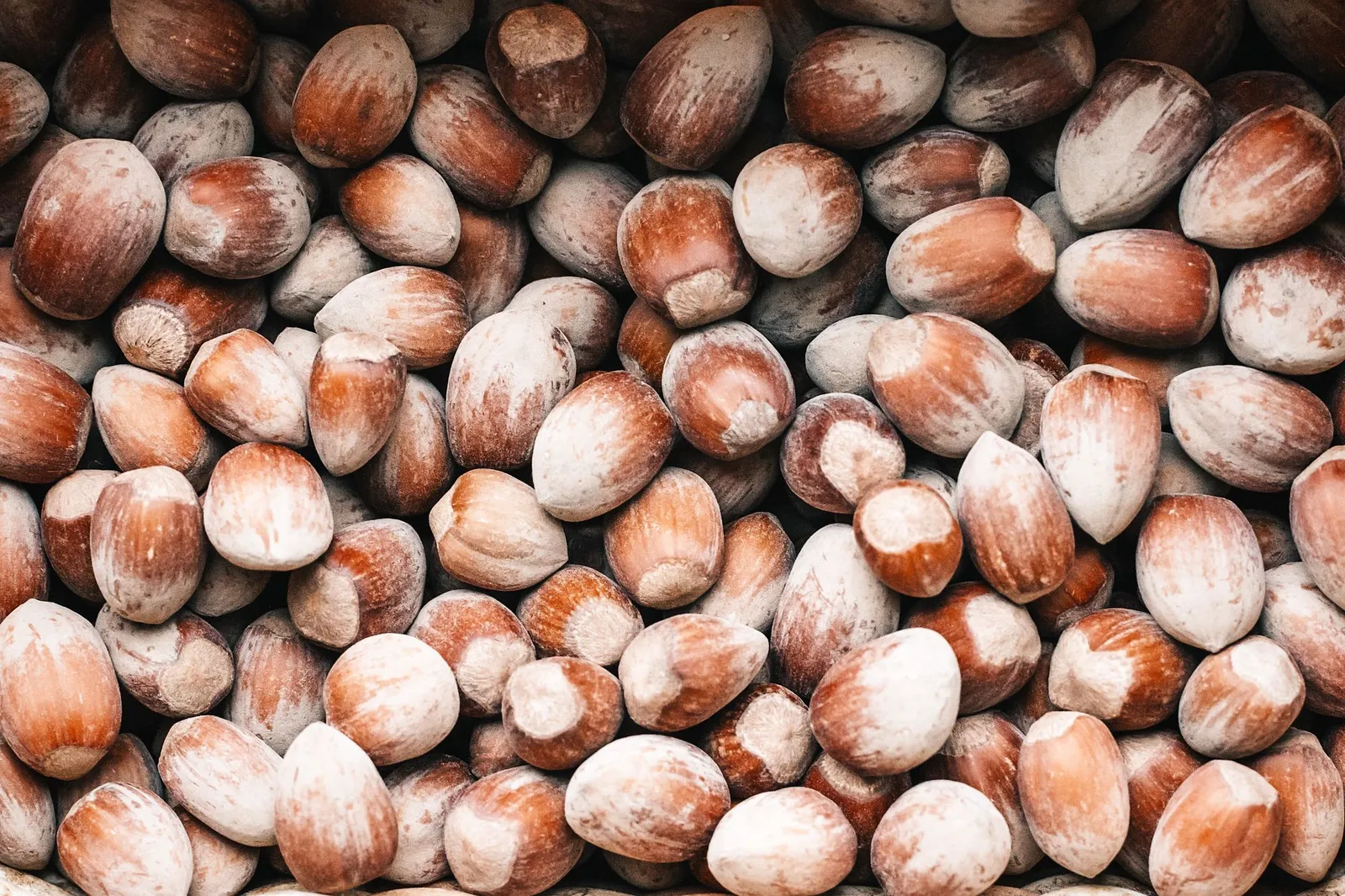
- In shell. The shell is the best natural protection against oxygen, light and odours. Well-dried in-shell hazelnuts kept cool and dry retain their quality the longest.
- Raw kernels. Without the shell they are exposed to air, but the skin and intact cells still protect them. Under good conditions they keep well.
- Roasted kernels. Roasting breaks down some of the cells and brings oil to the surface, and the kernel is very dry, so it quickly picks up moisture. It is more sensitive than raw.
- Chopped. Every cut increases the surface exposed to air. Roasted chopped hazelnuts are therefore the most sensitive form and should be used first.
- Paste. The oil is fully released, but the mass is compact, so oxidation takes place mainly at the surface. Closed and kept cool, paste keeps well; once opened, keep it closed and do not return leftovers from the bowl.