Nuts under your own brand: private label step by step
How a private label project runs: from defining the product and samples to packaging, labelling and a trial batch.
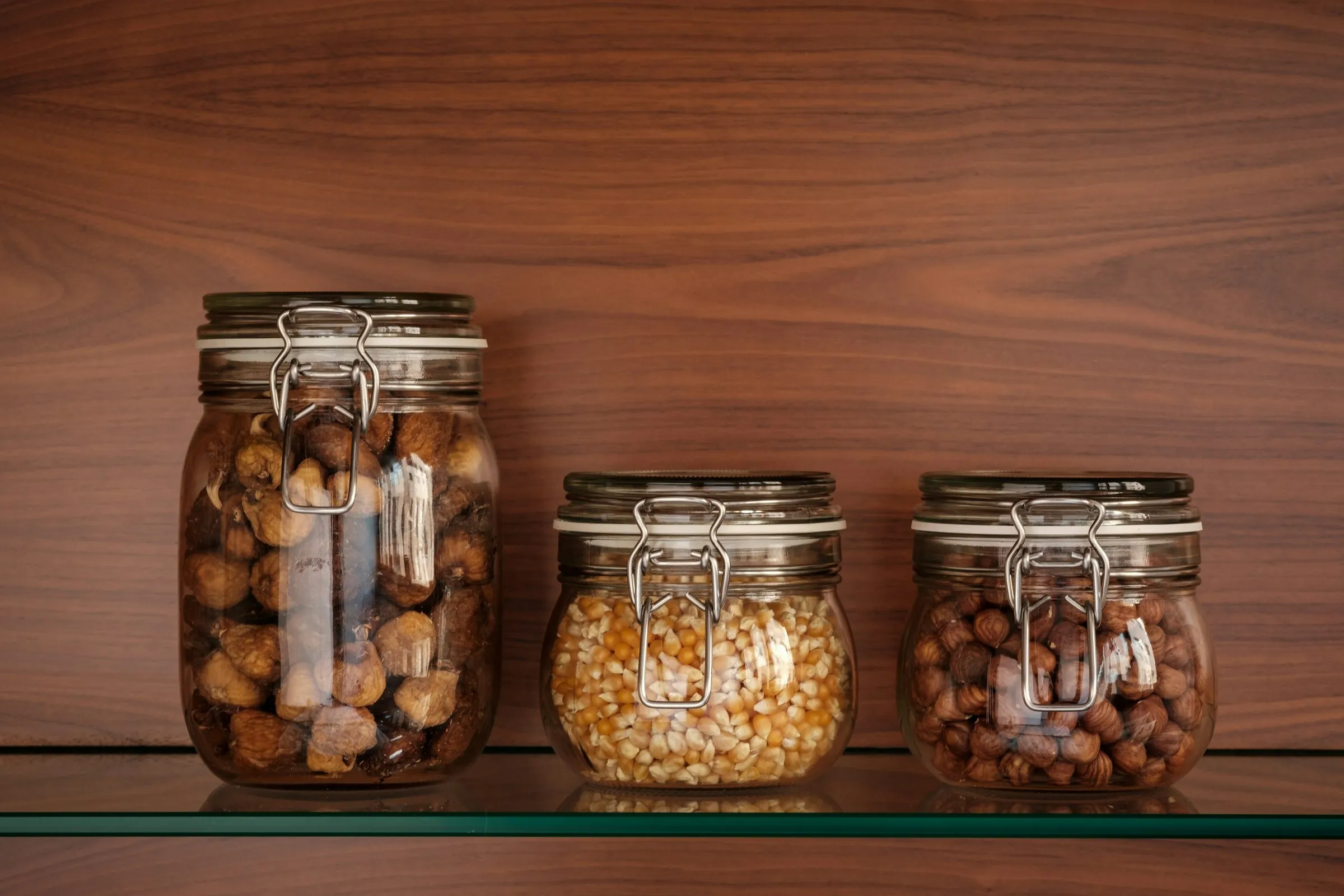
Retail chains, delicatessens, bakery and pastry brands and ready-meal manufacturers increasingly want nuts under their own name: roasted hazelnuts for snacking, chopped almonds for home baking, a paste for their own line of spreads. A product like this does not require building your own plant. Hasel makes products under the customer’s brand, in the customer’s packaging, and also offers contract processing to the customer’s recipe.
In this guide we describe how such a partnership usually runs and what is worth preparing before the first conversation, so that the path from idea to product on the shelf is as short as possible.
1. Defining the product
The first step is a precise description of what you want. The better defined the product, the closer the samples will be to the final result. It helps to answer these questions in advance:
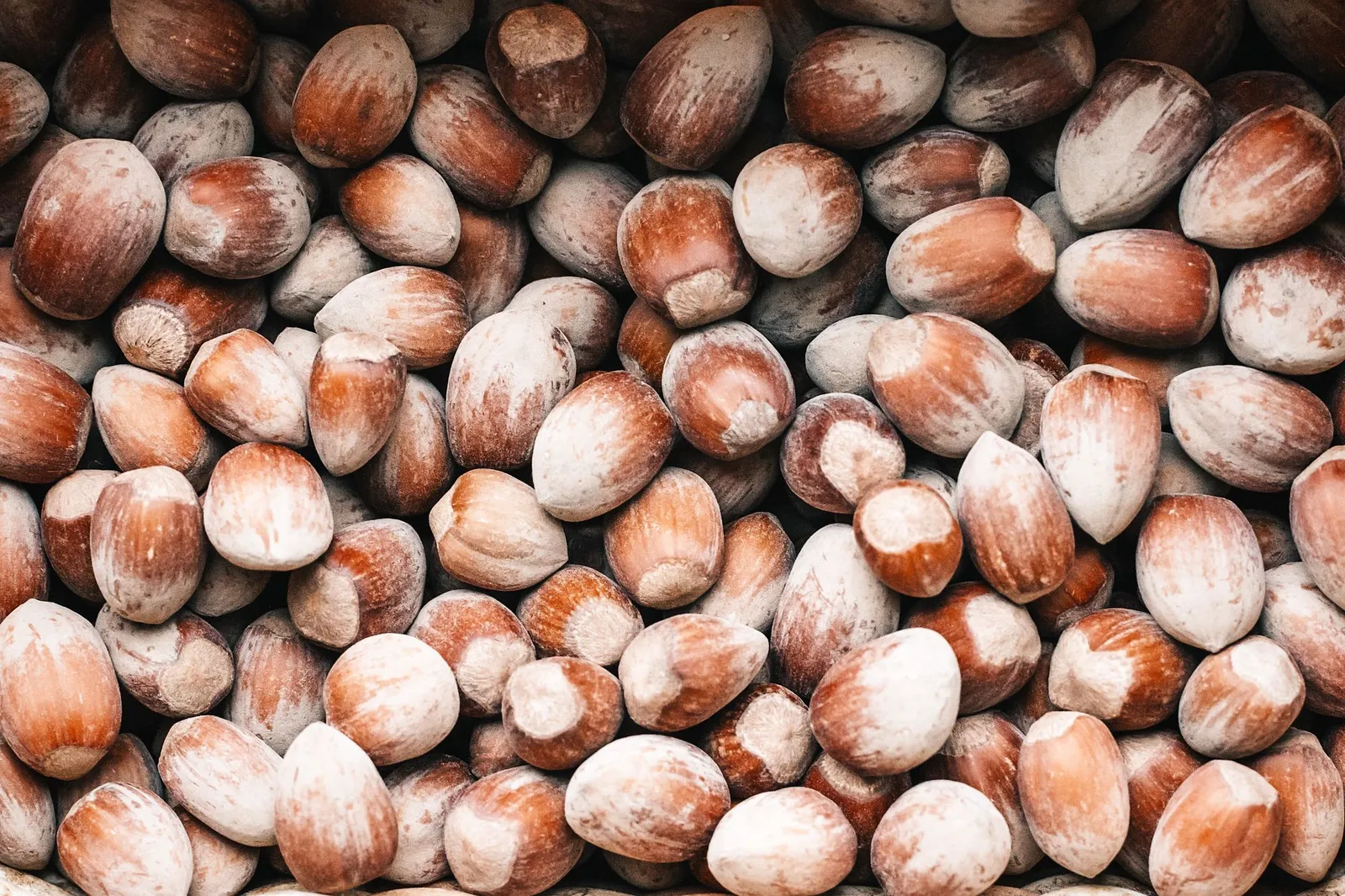
Raw material: which nut, conventional or organic, and whether origin plays a role in your messaging (for example, Croatian hazelnuts).
Form: whole kernels, roasted, blanched, chopped (which granulation) or paste.
Sensory profile: degree of roast, colour, fineness of the paste; ideally with a reference sample you like.
Purpose: retail for consumers or professional use in bakeries and pastry shops.
Market: the countries where it will be sold, because the languages and some of the mandatory label particulars depend on that.
If the form you need is not in our standard range, that is no obstacle: ask, and we will produce it.
2. Samples and recipe
Samples are produced on the basis of that definition. For simple products such as roasted chopped hazelnuts, sampling mostly comes down to agreeing the degree of roast and the granulation. For pastes and blends, samples are used to fine-tune flavour and texture, and if you already have your own recipe, processing is adapted to it.
Test the samples in their real application: if the product is meant for baking, bake it; if it goes into a cream, make the cream. What is excellent for snacking is not necessarily good in a dough. The approved sample becomes the reference against which all future batches are checked, so keep it and describe it in words (colour, aroma, flavour, texture).
Together with the approved sample, a product specification is agreed: composition, form and granulation, sensory properties, allergens, nutritional values, packing method and storage conditions. The specification is the shared document that both production and your quality control refer to, and it is also the basis for drawing up the label.
3. Packaging
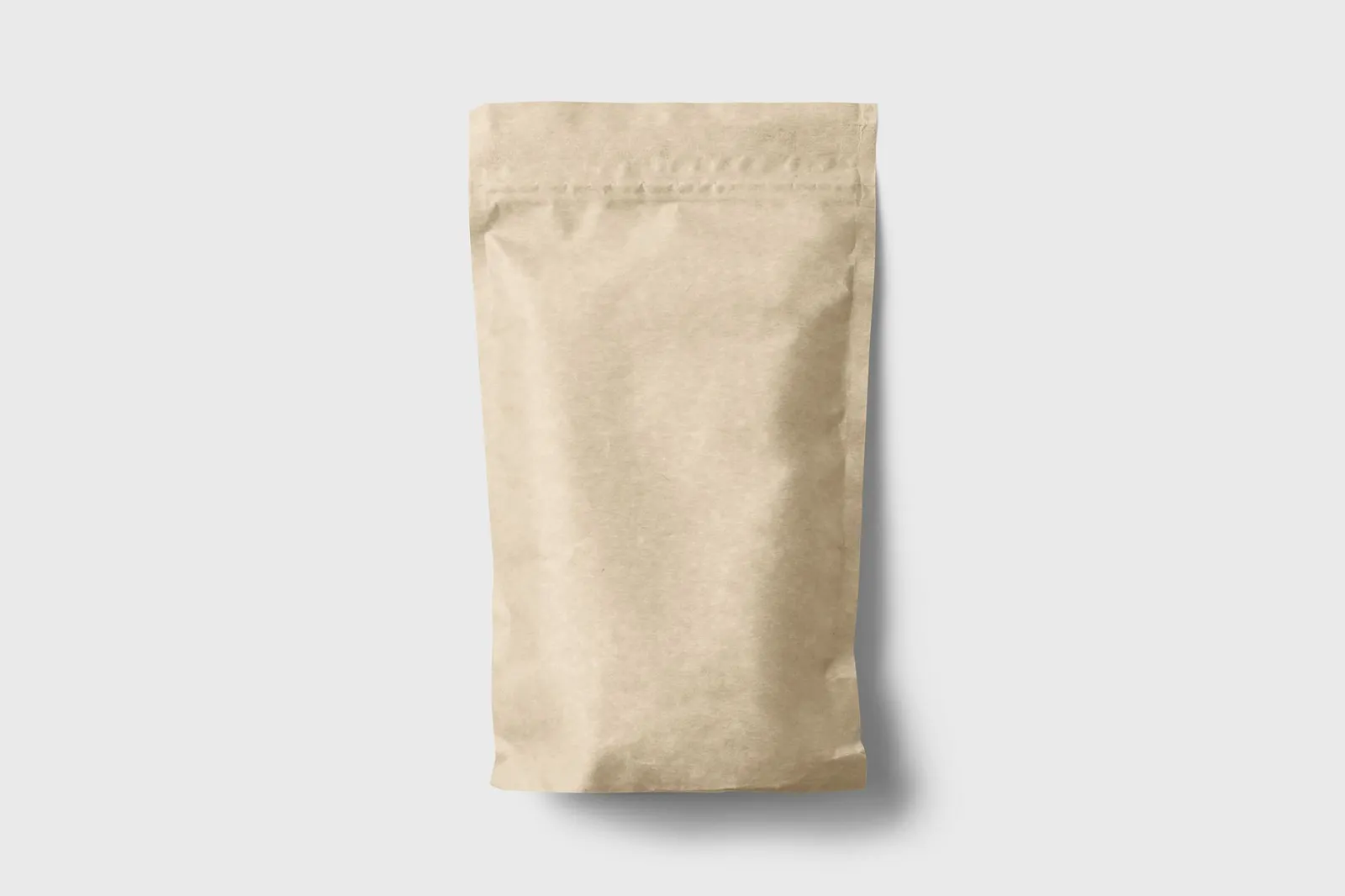
With a private label product the packaging is yours: you choose the design, format and material. Beyond appearance, the technical properties are decisive. Nuts are rich in fat and sensitive to oxygen, light and moisture, so the packaging needs a good barrier; for roasted products and pastes this directly determines how long the product stays fresh. The material must be intended for food contact in line with Regulation (EC) No 1935/2004, which the packaging supplier confirms with a declaration of compliance.
Before ordering packaging in volume, align the format with production: dimensions, closure, space for printing the batch code and best-before date, and whether the pouches are flat or stand-up. Packaging that looks great on screen but does not suit the filling process is the most common reason for a delayed first delivery.
4. Labelling
Responsibility for the information on the label lies with the operator under whose name the food is marketed, in other words the brand owner. Regulation (EU) No 1169/2011 sets out the mandatory particulars for prepacked food: name of the food, list of ingredients, emphasised allergens, net quantity, date of minimum durability, any special storage conditions, name and address of the operator, nutrition declaration and, where required, country of origin. All tree nuts and peanuts are allergens and must be emphasised.
You draw up the label text based on the product specification you receive from the manufacturer: composition, nutritional values, allergens and recommended storage conditions. If the product carries the organic logo, as with organic hazelnut paste, check with your control body which obligations you have as the operator placing such a product on the market, in addition to the certified raw material and processing.
A private label product is only as good as its definition: an approved sample and a specification are worth more than any description.
5. Trial batch and regular production
Before the first real delivery, a trial batch is produced in the final packaging. It shows the practical realities: how the product fills, how it looks on the shelf, whether the batch code is legible and how the packaging holds up in transport. Compare the trial batch with the approved sample, and only then confirm regular production.
In regular production every batch carries a code that allows traceability from raw material to finished product. Production runs under continuous quality control and a HACCP system, and deviations from the agreed specification are handled according to a procedure agreed in advance. For planning, it helps to agree an indicative order schedule, especially for seasonal products.
Quantities, lead times and prices are agreed for each project individually, depending on the product and packaging, so we quote them on request. If you want to sell the product through your own channels to professionals, also see the range in the Hazelnuts category and our contract processing options.
Drying, cracking, sizing, roasting, chopping and milling: what happens to a hazelnut between orchard and finished ingredient, and why each step matters.
We only use necessary cookies that the shop needs to work. Cookie policy
We only use necessary cookies and browser storage, without which the shop does not work: your basket, login, the chosen language and remembering this notice. We do not use analytics or marketing cookies. Cookie policy