Chopped nuts for toppings, fillings, creams, ice cream and doughs: what granulation grades mean and which fraction suits which application.
In a photo, chopped hazelnuts look the same whatever the size of the pieces, but in a product they behave very differently. A fine fraction disappears into a dough and contributes flavour, a medium one forms a crunchy layer on a crust, and coarse pieces in chocolate or ice cream give a bite you can feel. The wrong granulation is a common reason why a topping scorches, a filling turns gritty or pieces sink to the bottom of the mould.
In this guide we explain what granulation grades mean and how to choose the right fraction for each application.
What a granulation grade means
Granulation is determined by sieving. A 2–4 mm grade means the pieces passed through a sieve with 4 mm openings and were retained on a 2 mm sieve. The 0–2 mm fraction covers everything that passed through the 2 mm sieve, from small pieces down to fine powder, and +4 mm covers everything retained on the 4 mm sieve.
Two practical consequences follow. First, there is always a range of sizes within a fraction, so 2–4 mm is not a set of identical cubes. Second, no sieve is perfect: a small share of out-of-range pieces is normal, and acceptable tolerances are agreed in the specification.
0–2 mm: when the nut belongs in the mass
The finest fraction behaves almost like a dough ingredient. It is used for shortcrust and laminated doughs with hazelnuts, biscuits, sponges, fillings for crescents and strudels, and for coating truffles and pralines. In creams it adds texture without large pieces that would catch in the piping bag.
What to watch out for: small pieces have a large surface area, so they quickly absorb moisture and fat from their surroundings. In a moist filling they soften within a few hours, and on a crust in the oven they darken faster than coarser pieces. For a topping that goes into the oven, 0–2 mm is rarely a good choice.
2–4 mm: the all-round fraction
The medium granulation is the most frequently requested form in bakery and pastry. It is coarse enough to be seen and to crunch, yet fine enough to spread evenly and stick to a glaze or egg wash. Typical uses: toppings on croissants, pastry swirls and cakes, coating the sides of gateaux, inclusions in chocolate bars and ice cream, and fillings in which the hazelnut should remain recognisable.
Roasted chopped hazelnuts in this fraction are a good starting point when you are not sure what you need. If the topping is going to be baked, agree on a lighter roast.
+4 mm: when you want a bite you can feel
The coarse fraction is used when the hazelnut needs to be visible and dominant: in chocolate bars, snack and cereal bars, granola, as decoration on top of a gateau or in rustic bread. In ice cream, large pieces provide textural contrast but soften faster if left unprotected, so in practice they are often coated with a thin layer of chocolate or fat.
When depositing into moulds, coarse pieces sink more easily in a thin mass, so the mass should be tempered and its viscosity adjusted so that it holds them in suspension.
Choose the granulation not by the raw material but by where the piece will end up: in the dough, on the crust or in the bite.
Common mistakes in choosing and handling
Re-chopping a coarse fraction in-house. If you blitz +4 mm in a blender to get a finer fraction, you end up with a lot of dust and uneven pieces, and the heat from the blade starts to release oil from the nuts. It is better to order the fraction you need in the first place.
Dust in the topping. As a sack empties, more fine pieces remain at the bottom, because they work their way down during transport. For visible toppings, use the remainder from the bottom in a dough or filling instead of throwing it away.
Chopped hazelnuts in a moist filling. Pieces left overnight in a cream or a cheese filling lose their crunch. If crunch matters, add them as late as possible or protect them with a thin layer of chocolate.
Keeping an open sack too long. Chopped hazelnuts have a much larger surface area than whole kernels, so they pick up odours and turn rancid faster. Close an opened sack tightly and use it up before your whole kernels.
Quick reference and other nuts
Application
Recommended fraction
Shortcrust, biscuits, sponges
0–2 mm
Coating truffles, fillings for crescents
0–2 mm
Toppings for pastries and cakes, gateau sides
2–4 mm
Ice cream, chocolate bars
2–4 mm or +4 mm
Granola, bars, decoration
+4 mm
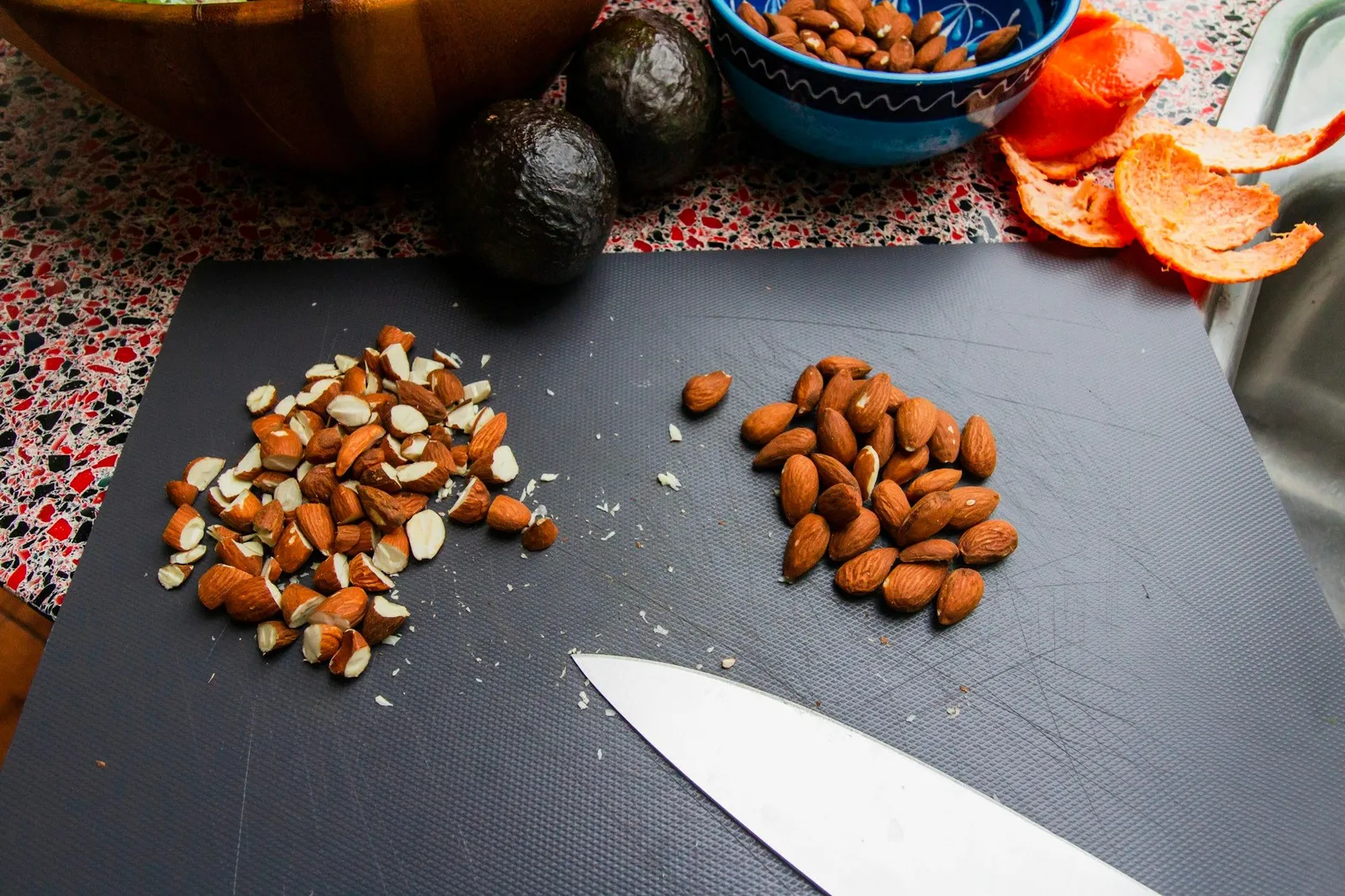
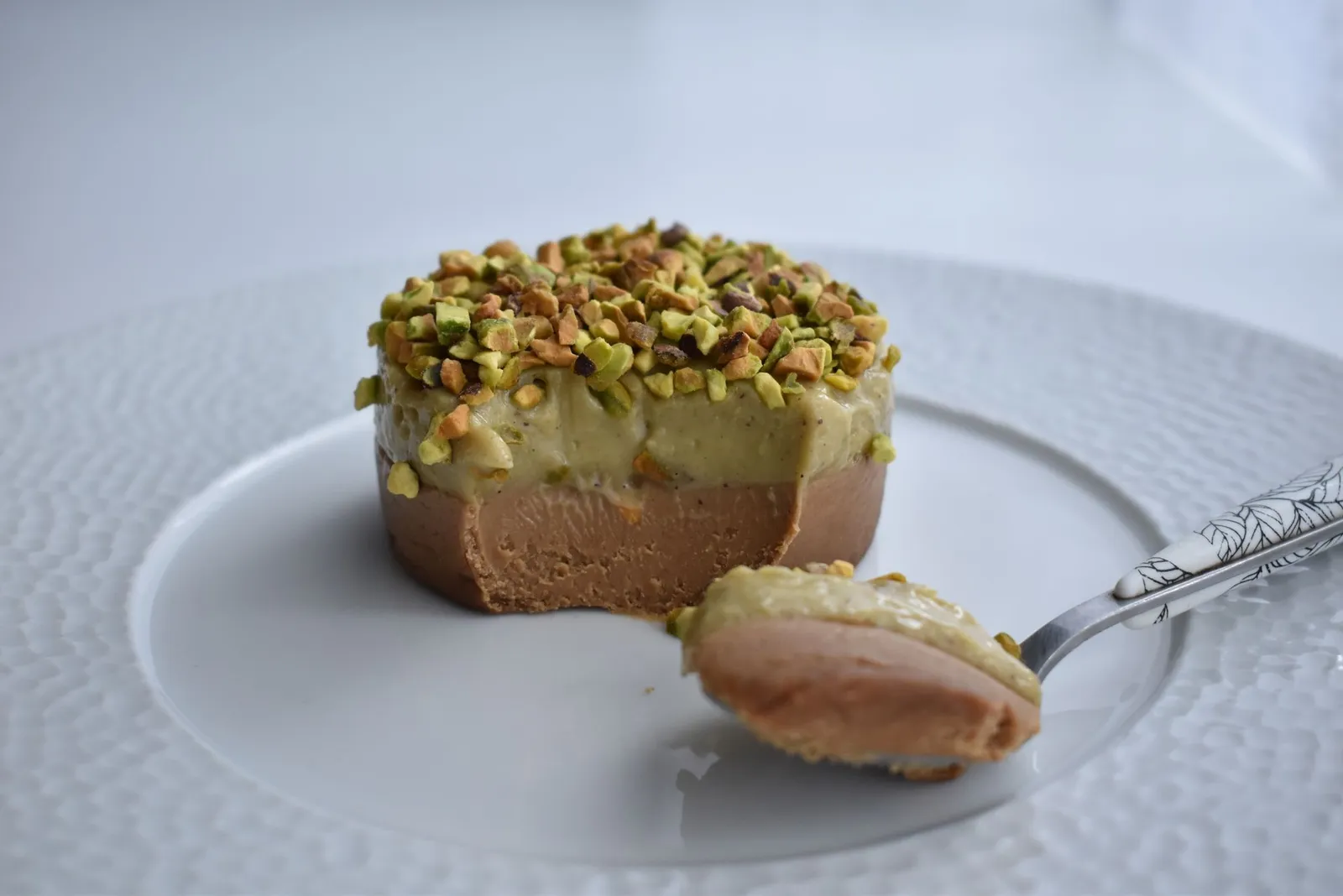
The same logic applies to other nuts. We supply roasted chopped peanuts in the same fractions as hazelnuts, and chopped pistachios in 0–2, 2–4 and 4–6 mm, because with pistachios the larger pieces are most often used as a green decoration. Chopped almonds come in 0–2, 2–4 and +4 mm; their milder flavour and paler colour go well with fruit cakes and white chocolate, where dark pieces of roasted hazelnut would stand out too much. If none of the fractions on offer suits your recipe, just ask: we will produce it.
We only use necessary cookies that the shop needs to work. Cookie policy
We only use necessary cookies and browser storage, without which the shop does not work: your basket, login, the chosen language and remembering this notice. We do not use analytics or marketing cookies. Cookie policy