100% hazelnut paste in pastry: creams, pralines, ice cream
Working with pure hazelnut paste: homogenising, temperature, dosage in creams and ice cream, and why it softens chocolate.
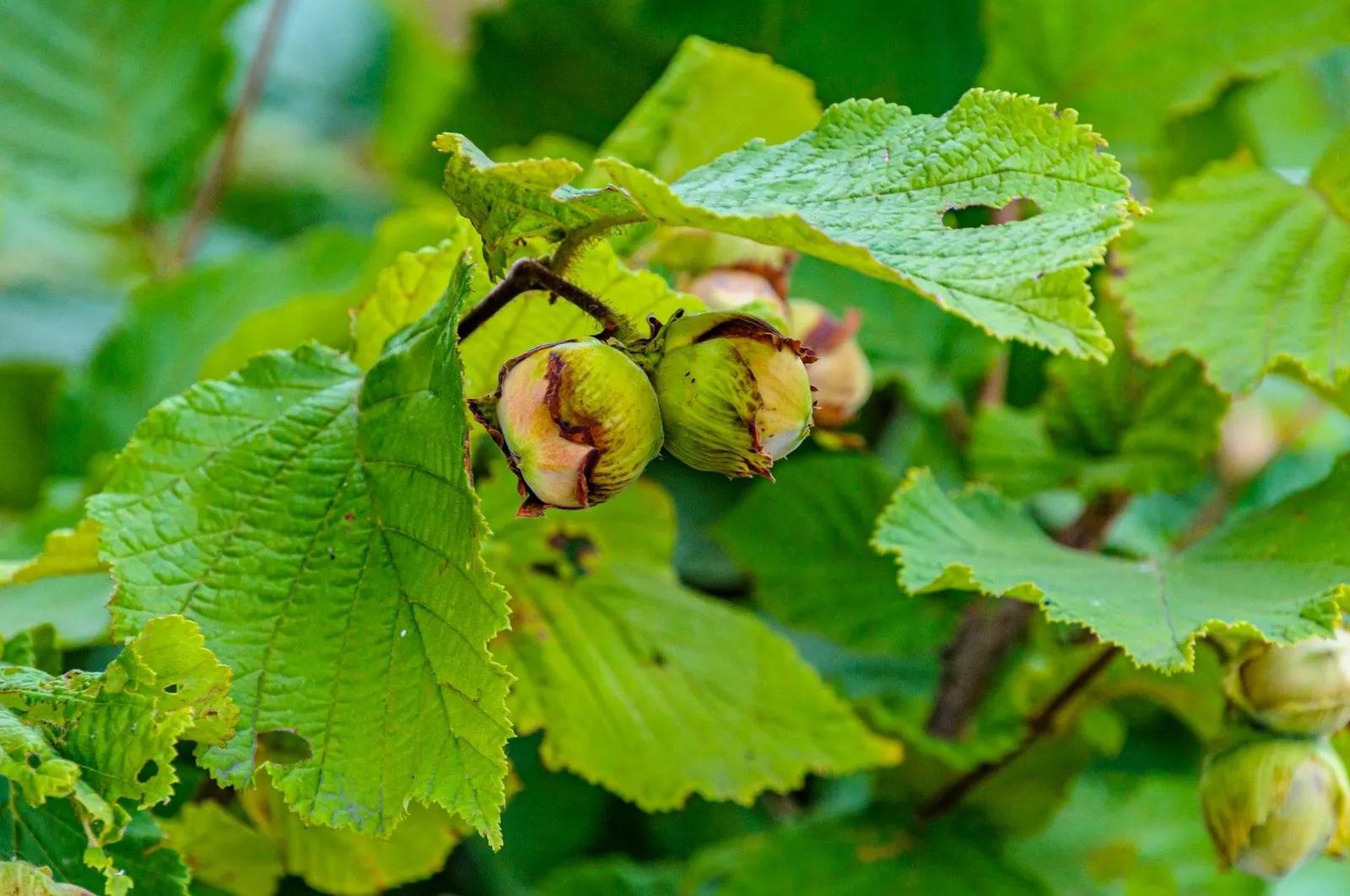
100% hazelnut paste is the most concentrated form of hazelnut a pastry chef can buy. It contains no sugar, vegetable oil, milk powder or emulsifiers; it is simply roasted hazelnuts milled until the oil from the kernels turns the mass into a smooth, flowing paste. That is exactly why it is so versatile: you decide the sugar, the fat and the texture in your own recipe.
That versatility has another side. Pure paste behaves differently from ready-made praline masses and spreads, so you need to understand it to keep creams stable and chocolate properly set. Below are the practical rules for working with it.
Paste, praliné and spread are not the same thing
In practice these terms are often used interchangeably, but the difference matters for a recipe:
100% paste contains only hazelnuts. The flavour is intense, with no sweetness, and the fat content is the natural oil content of the kernel.
Praliné in the classic sense is hazelnuts milled with sugar, often caramelised. It therefore contains a substantial proportion of sugar and is dosed differently.
Gianduja is a blend of hazelnut paste and chocolate, softer than chocolate alone.
A spread is a finished product containing sugar, fat and often milk and cocoa.
If you make a recipe written for praliné using 100% paste, you will need to add some of the sugar yourself, and the flavour will be stronger at the same quantity.
Before use: homogenising and temperature
In a paste without emulsifiers, some of the oil separates to the surface as it stands, and the denser mass settles at the bottom. This is not a sign of spoilage, but if you take paste from the top you bring more oil into the recipe, and from the bottom more solids. The result is batches that differ for no apparent reason.
So always stir the paste right to the bottom before weighing, until it has an even colour and consistency. With larger packs, a mixer with an attachment that reaches the bottom of the container helps. If the paste is cold and firm, let it come up to room temperature or warm it gently; avoid overheating, which speeds up oil oxidation and changes the flavour.
Stir the paste to the bottom before you weigh it: an even paste means an even batch.
Creams and ganache
In buttercreams, pâte à bombe-based creams and mousses, the paste is added in the final stage, once the base is already stable. It is best to loosen the paste first with a small part of the cream and then fold that mixture into the rest; this avoids lumps and over-mixing. How much paste to use depends on the intensity you want: start with a smaller proportion and increase it after tasting, because pure paste easily becomes dominant.
In ganache, you need to allow for the extra fat. Hazelnut oil is liquid at room temperature, so a ganache with paste will be softer than the same ganache without it. If you want it just as firm, reduce the cream or increase the chocolate.
Pralines and gianduja
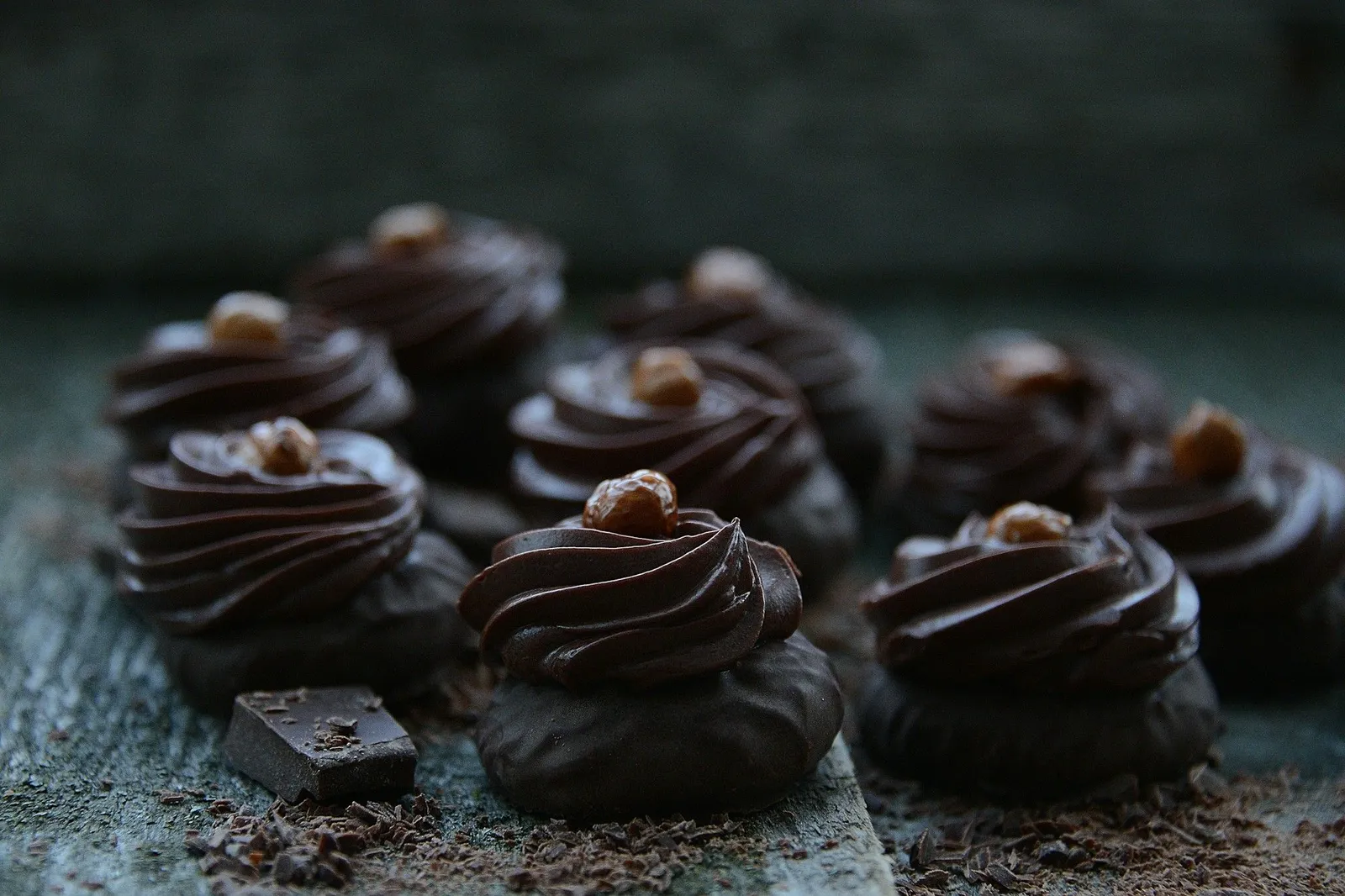
The same property of the oil explains why gianduja stays soft. The more paste there is relative to the chocolate, the softer and creamier the mass, and the faster it loses its shape at higher temperatures in the shop. For fillings that will be cut or enrobed, the paste is therefore combined with chocolate that has a higher cocoa butter content, or the proportion of paste is reduced.
Watch out for water, too. The paste must not come into contact with water or steam while it is being combined with melted chocolate, as the mixture can thicken and turn grainy. Temper the mass as you would chocolate, bearing in mind that the liquid hazelnut oil affects crystallisation and that gianduja sets more slowly.
Ice cream and spreads
For hazelnut ice cream, the paste is added to the base and thoroughly homogenised, ideally with a stick blender before ageing. In practice, the amount of paste for a classic hazelnut ice cream is often around 80–120 g per kilogram of mix, depending on the intensity you want and how you balance fat and total solids. The paste also contributes fat, so at higher proportions it is wise to reduce other sources of fat in the base; otherwise the ice cream can turn heavy and greasy.
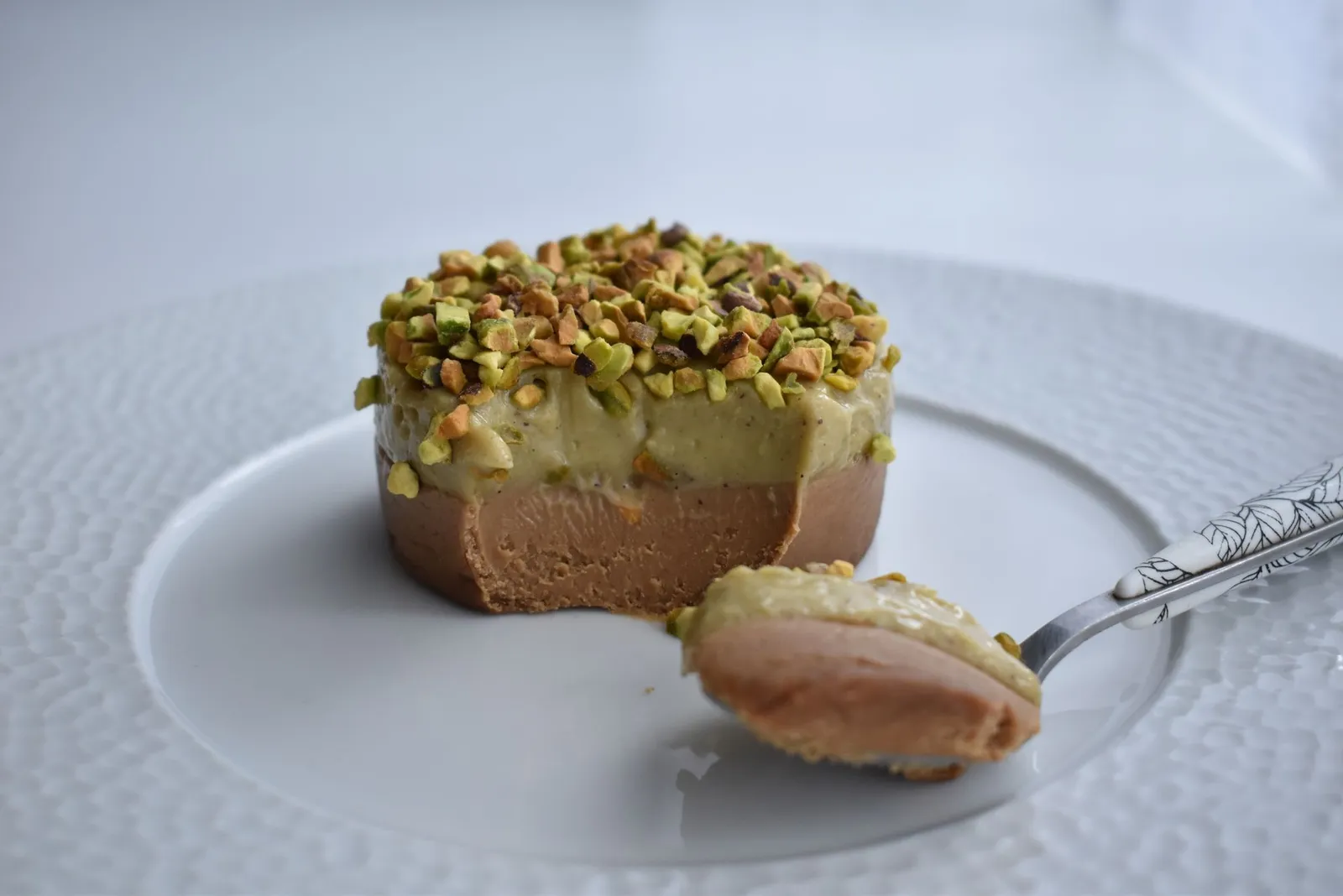
For a spread of your own, the paste is mixed with icing sugar, cocoa and, if required, milk powder and fat. You set the ratios yourself; the only rule is that the dry ingredients must be ground finely enough to keep the spread from feeling gritty. For a green version, the same techniques apply to pistachio paste.
Storing an opened pack
Paste exposes a large surface of oil to the air, so once opened it is more sensitive than whole kernels. Close the container tightly after every use, keep it cool and dark, and never return unused leftovers from the bowl to it. The shelf life is stated on the label, and an opened pack should be used up within a reasonable time. If your own organic line requires paste made from certified raw material, we also offer organic hazelnut paste.
The EU organic leaf, control bodies, conversion period and traceability: what lies behind the organic label and what to check when sourcing organic ingredients.
We only use necessary cookies that the shop needs to work. Cookie policy
We only use necessary cookies and browser storage, without which the shop does not work: your basket, login, the chosen language and remembering this notice. We do not use analytics or marketing cookies. Cookie policy